
Meet NDSU President Marshall Stewart and First Lady Jan Stewart as they share a vision for what the NDSU community can achieve...
Read More
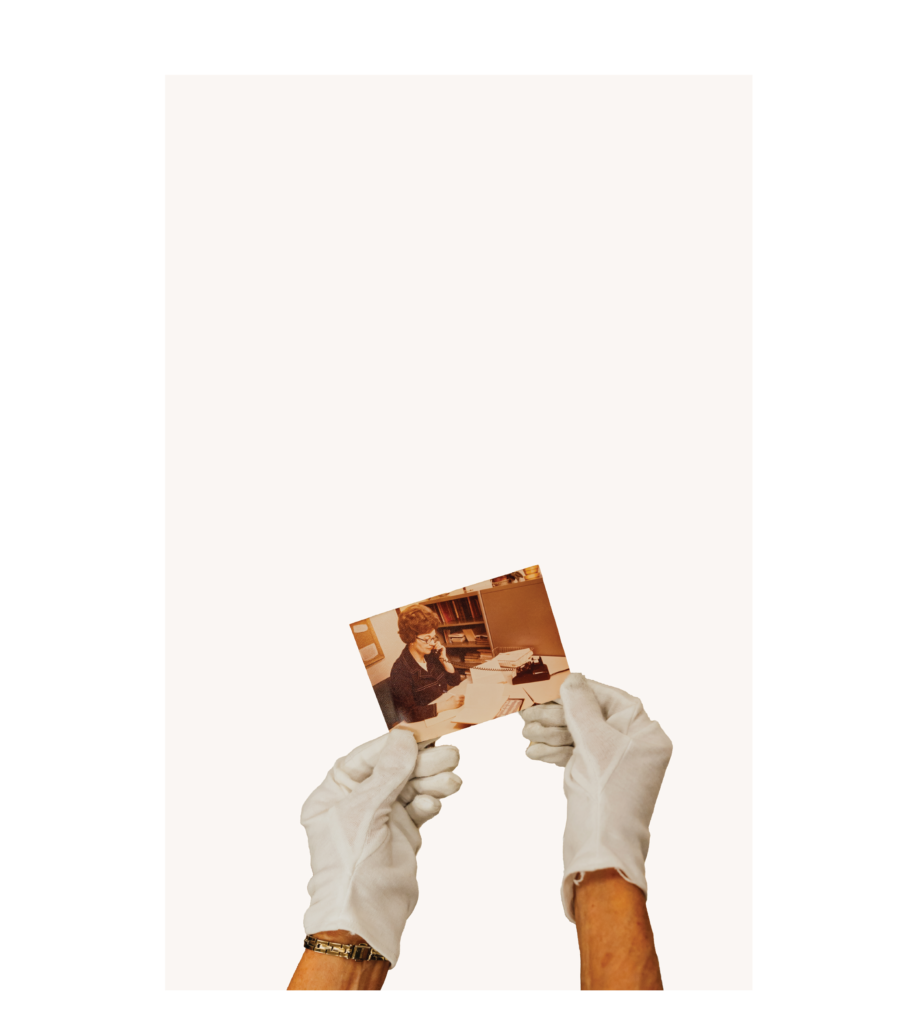
A new museum exhibit at NDSU gives one of North Dakota’s most essential and least-known stories the home it deserves.
Story by Dr. Jessica Clark ’04, ’10 | Photos submitted by the Germans from Russia Heritage Collection
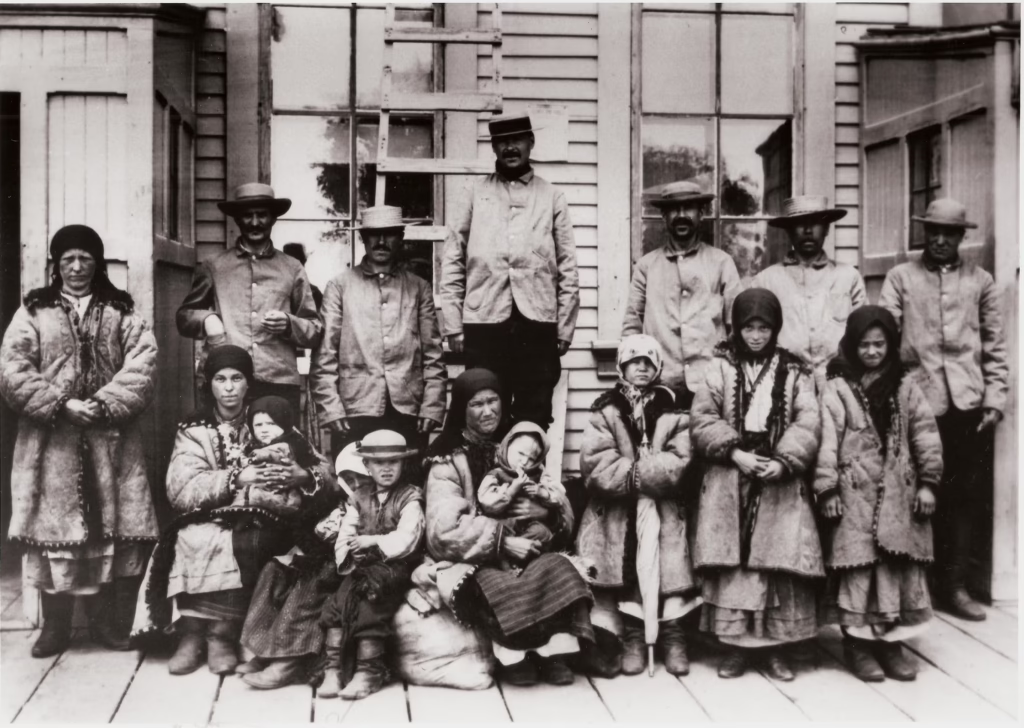
Michael M. Miller will tell you he got lucky. His Baumgartner grandparents emigrated from Strassburg, near Odessa, and his Miller grandparents from Krasna, Bessarabia, settling in south-central North Dakota in the great wave of Germans from Russia migration that reshaped the northern Plains in the late 1800s. They built a life. They stayed. And decades later, their grandson would spend 55 years making sure the world did not forget where they came from.
Michael is the emeritus director of the Germans from Russia Heritage Collection (GRHC) at NDSU, one of the most comprehensive archives of its kind in the world. The collection he built has opened something new: an immersive exhibit called In Search of a Homeland: The Journey of the Germans from Russia.
The exhibit brings together objects, photographs, oral histories, Prairie Public documentaries, Journey to the Homeland Tours, and stories collected through nearly 50 years of community relationships. It covers the full arc of the Germans from Russia experience: immigration and homesteading, foodways and faith, language and community traditions, and the resilience that carried families through hardship across two continents.
“This exhibit is not just about dates and historical events,” Jeremy Kopp ’11, GRHC outreach and operations coordinator, said. “It is about families, faith, food, hardship, resilience, and the deep sense of community that has carried this story forward.”
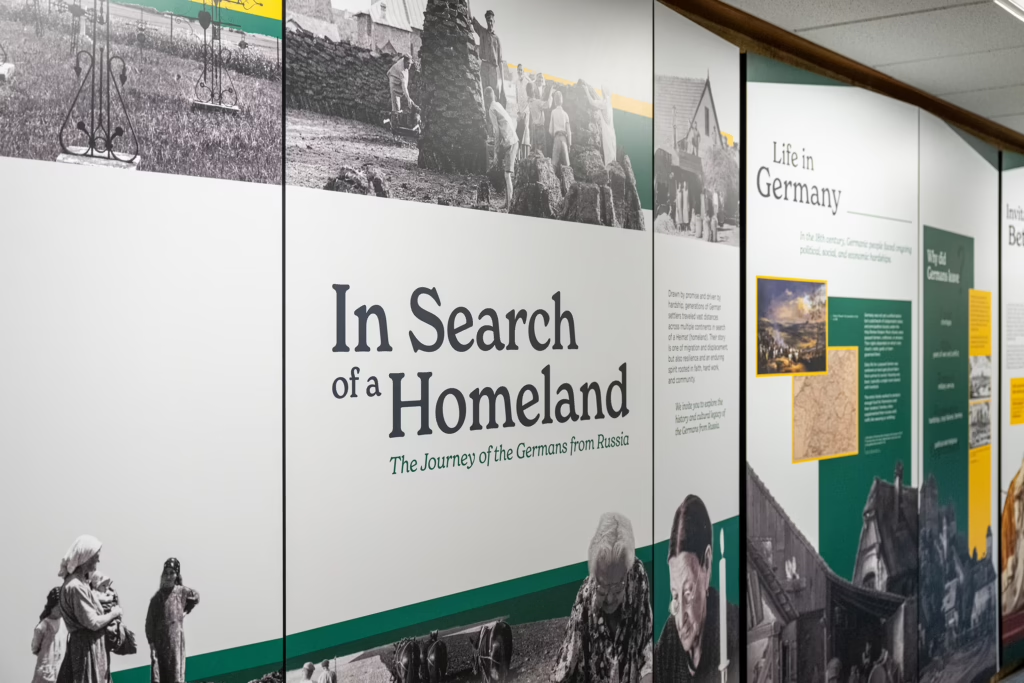
In Search of a Homeland, located in the NDSU Library, is open to the public weekdays between 9 a.m. to 4 p.m.
And for Michael, it is personal in a way that goes beyond professional pride. When he retired from NDSU, he established an endowment through the NDSU Foundation using his own IRA. The collection, he made clear, would outlast him.
“When I view the new exhibit,” he said, “I shall always be grateful my Baumgartner and Miller grandparents immigrated to America and to south-central North Dakota. The new exhibit captures the rich story and life of our Germans from Russia community.”
Picture it for a moment. An older woman walking through the exhibit, pausing at a photograph of a farmstead that looks exactly like the one her grandmother described. A grandchild reaching for a memory card and hearing a voice from the archive, a voice that sounds like someone they know. Someone picking up a recipe card and thinking about making kuchen for the first time in years. These are not grand historical moments. They are the quiet ones, the kind that tend to last.
For most North Dakotans, the story of the Germans from Russia is only dimly familiar, if it is familiar at all. German-speaking colonists, invited by Catherine the Great and Alexander I, settled in the Russian Empire in the 18th and 19th centuries. For generations they maintained their language, faith, food traditions, and identity. Then, as conditions in Russia deteriorated, hundreds of thousands immigrated to the northern Plains, where they built the farms and communities that still define the region.
The Germans from Russia are the reason North Dakota’s agricultural industry looks the way it does. Their churches still stand in small towns across the state. Their recipes are still made in family kitchens and restaurants. And some of their descendants, Jeremy says, still carry a grief they may not fully understand, for the relatives who did not make it out of Russia.
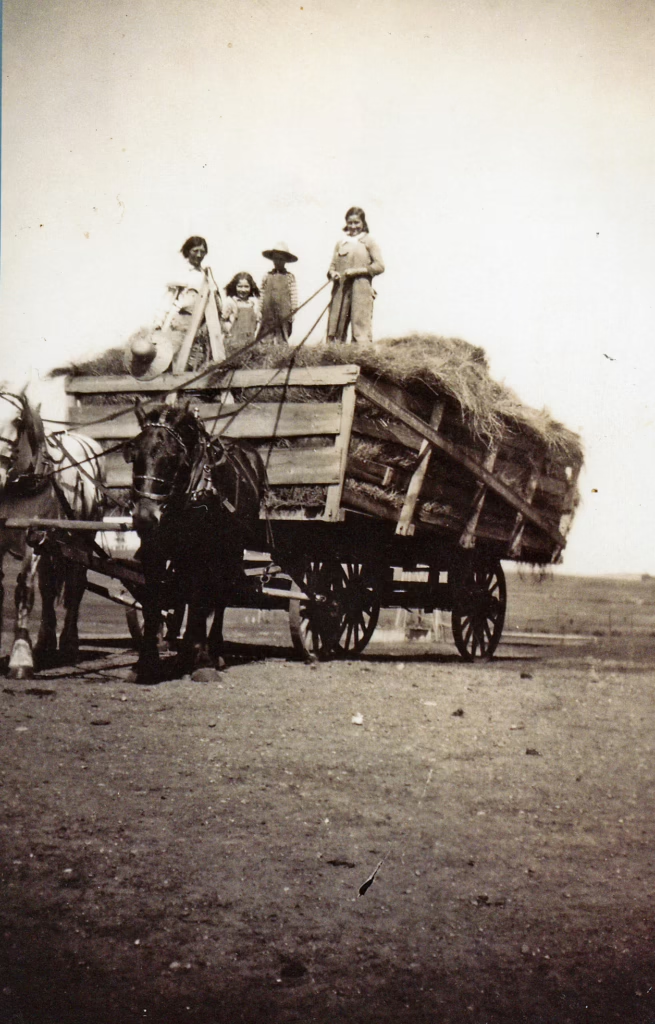
Magdalena (Martel) Thurn with her children Freida, Elmer, and Ruth on top of the hay wagon in McIntosh County, North Dakota, circa 1940s. (Photo courtesy of Tri-County Tourism Alliance)
“You cannot fully understand North Dakota without understanding the Germans from Russia,” Jeremy said. “Even if someone does not have Germans from Russia ancestry, this story shaped the state and the region in profound ways.”
Jeremy discovered their story almost by accident. He came to the GRHC as a student intern, with no idea it would shape the next decade and a half of his life.
His first day as a full-time staff member was at Sauerkraut Day in Wishek, North Dakota. He did not know it at the time, but that day set the template for everything that followed: small towns, church basements, kitchen tables, community gatherings.
“Over the years, the Germans from Russia community has welcomed me like family,” he said, “which means there’s been lots of shared stories, knoephla soup, and kuchen along the way.”
Jeremy has spent years thinking about what this community deserves and what the collection could become. He decided the answer was something people could experience and feel.
The GRHC has been preserving the story of the Germans from Russia, primarily through private funding, since 1978. Michael built the GRHC through donor relationships, homeland tours to Germany and Ukraine, documentaries with Prairie Public, and an oral history project that would eventually capture nearly 200 voices from across the community.
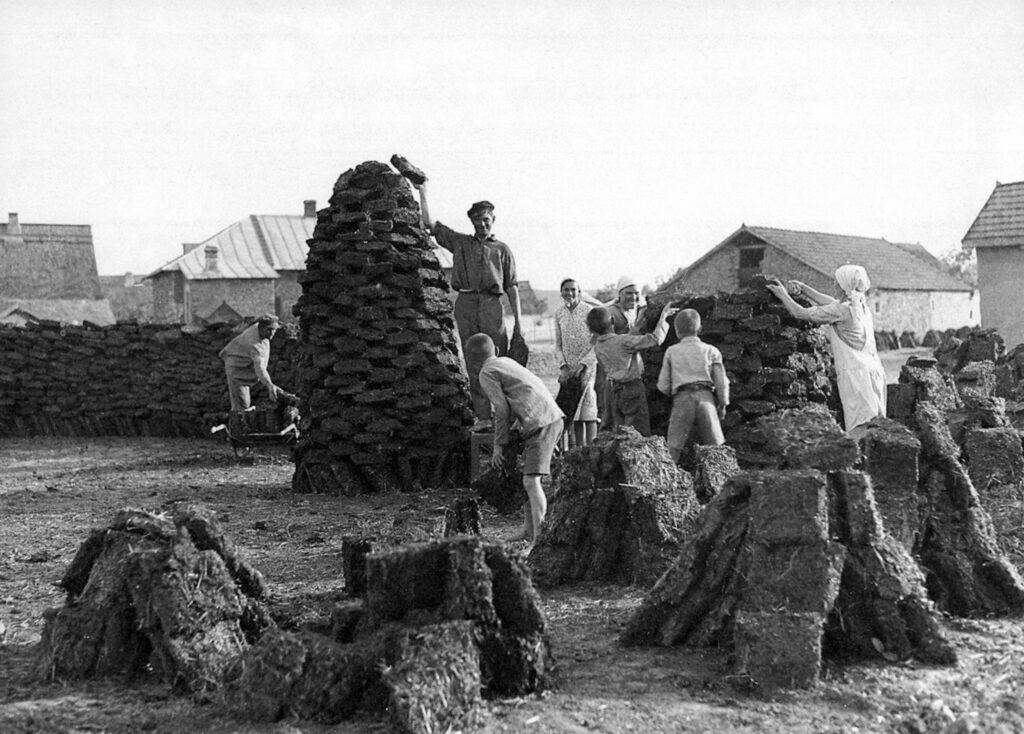
The Germans from Russia built the farms, churches, small towns, and much of the agricultural tradition that still defines North Dakota.
That oral history project is known as the Dakota Memories Oral History Project, and it is at the heart of what makes the new exhibit remarkable. For five years, oral historians traveled across the northern Plains, sitting down with second- and third-generation Germans from Russia in their living rooms and kitchens, earning trust, and waiting for the deep memories to surface.
Those memories were not always the ones narrators expected to share. Most began with the established collective story: hardship, persecution, isolation. But with time and patient questioning, something else emerged.
The grandmothers whose hugs you disappeared into. The baby rabbits kept in an old Chrysler car body. The children who went to Salt Lake, an alkaline lake in south-central North Dakota, to swim after their chores were done. The woman who said, simply, “Everybody went to church, because where else could you go?”
“That line captures so much in just a few words,” Jeremy said. “It speaks to the isolation of prairie life, but also to the way churches became the center of community. That is why this collection matters. It preserves the small, human details that help us understand what prairie life was actually like.”
Oral historian Alessandro Portelli once wrote that each time an elder dies, a library burns. The Dakota Memories project was built to keep those libraries alive. At the GRHC Dakota Memories corner, visitors can now walk into the exhibit, select a memory card from a shelf, and place it on a reader that plays a corresponding video clip — a voice from the archive, suddenly alive in the room.
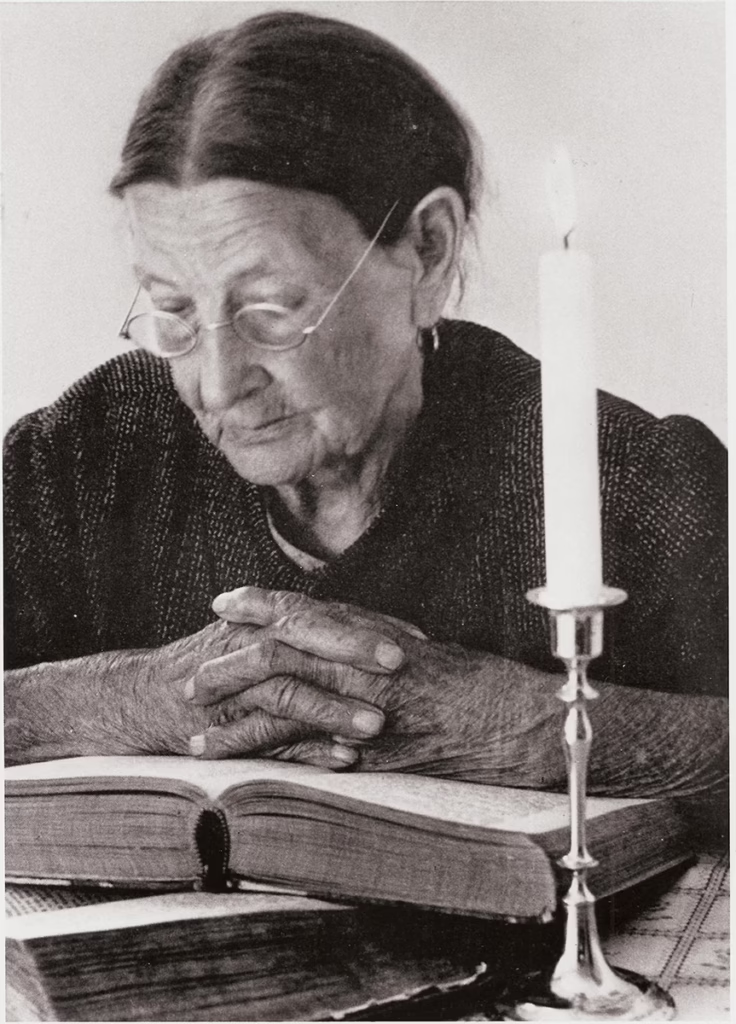
The Germans from Russia built the farms, churches, small towns, and much of the agricultural tradition that still defines North Dakota.
The new exhibit, designed in partnership with Upland Exhibits of Newton, Kansas, is a departure from much of what the GRHC has done before. Previous displays were meaningful, Jeremy says, but they were static. They could not carry the full weight of the story.
“The Germans from Russia story is too layered to be told only through a few cases or isolated panels,” he said. “This new exhibit leads visitors on a journey.”
That journey moves through emigration from Europe, settlement in Russia, the eventual move to North America, and life on the Dakota prairies. And crucially, it does not look away from the fate of those who stayed behind. A room in the exhibit titled “Those Who Stayed” is dedicated to the family members left in Russia who endured revolution, famine, Stalinist repression, and deportation. It is the part of the story that often gets lost, Jeremy says, when people first hear the term “Germans from Russia.”
The design partnership with Upland was no accident. Several members of the Upland team come from a Germans from Russia Mennonite background themselves, meaning they came to the project not just as designers but as descendants.
Alongside the oral histories, the exhibit puts tangible objects in front of visitors: a gold cross necklace given as a confirmation gift, a Russo-Turkish War Medal for military service, family photographs and handwritten letters. Some of those narrators are gone now. Their voices remain. Their heirlooms, too.
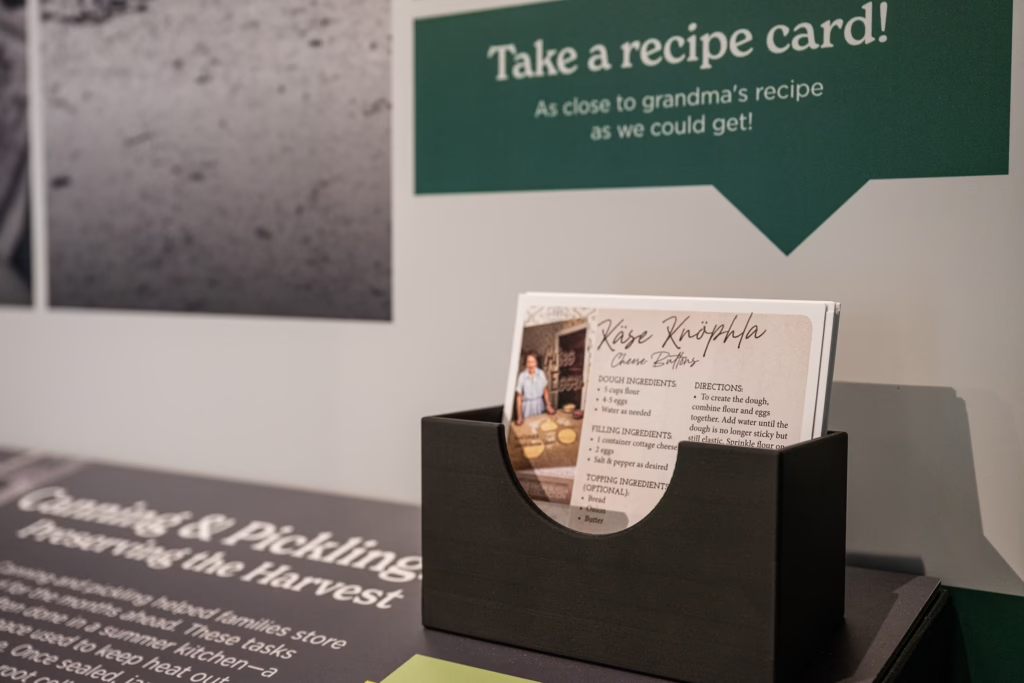
Beloved Germans from Russia recipes include knoephla soup, cheese buttons, borscht soup, kuchen, and blachenta. Visit the exhibit to take home a recipe card or view the GRHC digital recipe collection.
Visitors can also take something home: a traditional recipe card. The gesture is deliberate.
“Heritage is not only something we preserve behind glass,” Jeremy said. “It is something we practice. Food keeps memory alive in a very personal way.”
Michael, for his part, seems content. He sees his legacy continuing in good hands.
“The history of the Germans from Russia is deep, complex, tragic, glorious, and in every way worthy of preservation,” Michael said.
“The story belongs to the community,” Jeremy said. “Our role is to preserve it, share it, and help future generations understand why it matters.”
Some stories do not need more than that. They just need a home.
Dr. Jessica Clark ’04, ’10 is a writer, oral historian, and provost and vice president of academic affairs at Bellevue College in her home state of Washington. She spent five years as the coordinator of the Dakota Memories Oral History Project, conducting oral history interviews with second- and third-generation Germans from Russia across the northern Plains. Her book, “Echoes of the Old Country,” published by NDSU Press, draws on that research to explore the lived experiences of Germans from Russia in North Dakota. She is a proud NDSU alumna.
Meet NDSU President Marshall Stewart and First Lady Jan Stewart as they share a vision for what the NDSU community can achieve...
Read MoreThe NDSU Transition and Access Program makes history with its first graduating class, creating belonging across the Bison Herd.
Read More Margaret and her husband, Hugh Veit ’79, established the Eleanor S. Fitzgerald Memorial Graduate Student Scholarship to support NDSU students earning advanced degrees in the Department of Health, Nutrition, and Exercise Sciences or the Department of Human Development and Family Science.
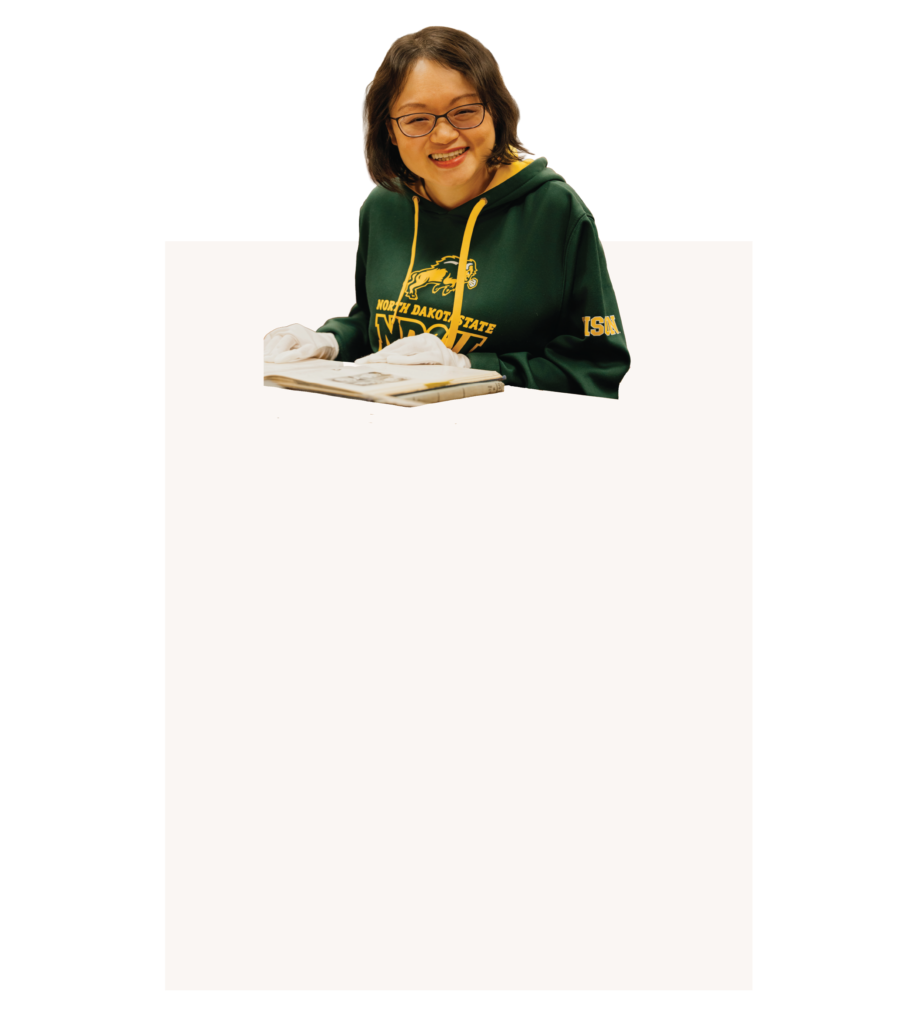
Core areas of home economics remain part of current NDSU degree programs such as accounting; apparel, retail merchandising, and design; education; family and consumer science; financial planning; human development and family science; interior design; and nutrition science.
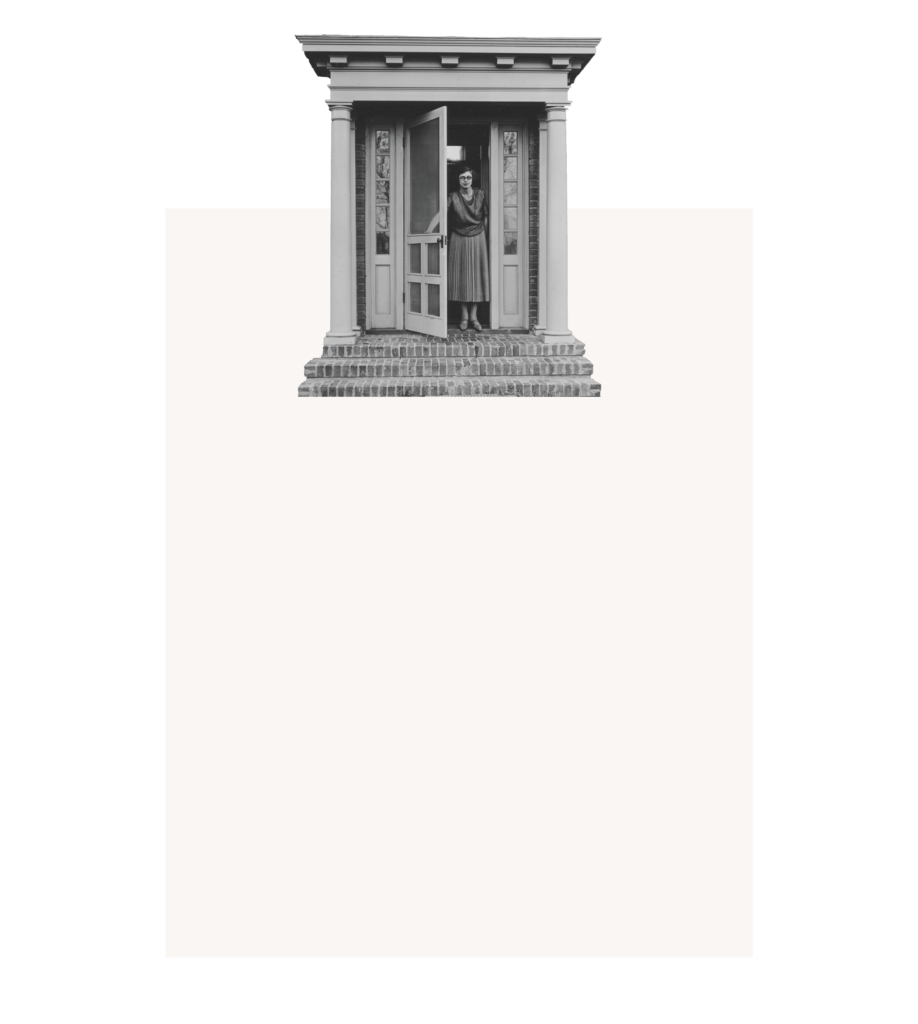
Home economics programs opened doors, particularly for women, to earn college degrees and pursue careers in education, Extension, state and federal government, business and industry, health care, and more. NDAC listed domestic economy as one of its courses in its founding year, 1890.
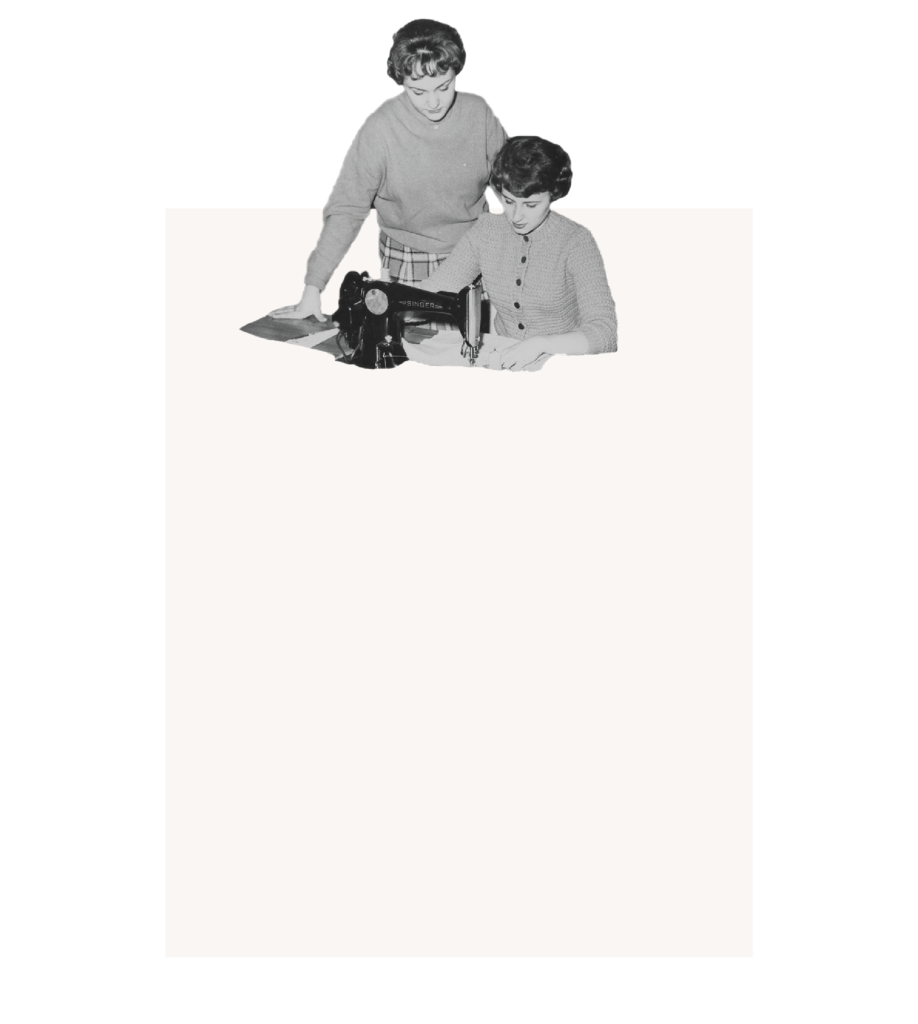
Established by Dr. Teresa Conner, dean of the NDSU College of Health and Human Sciences, and co-chaired by Dr. Margaret Fitzgerald ’83 and Col. Esther Meyers ’75, the Wisdom Keepers provide support and share their knowledge and expertise with students, faculty, staff, and leadership in the College.
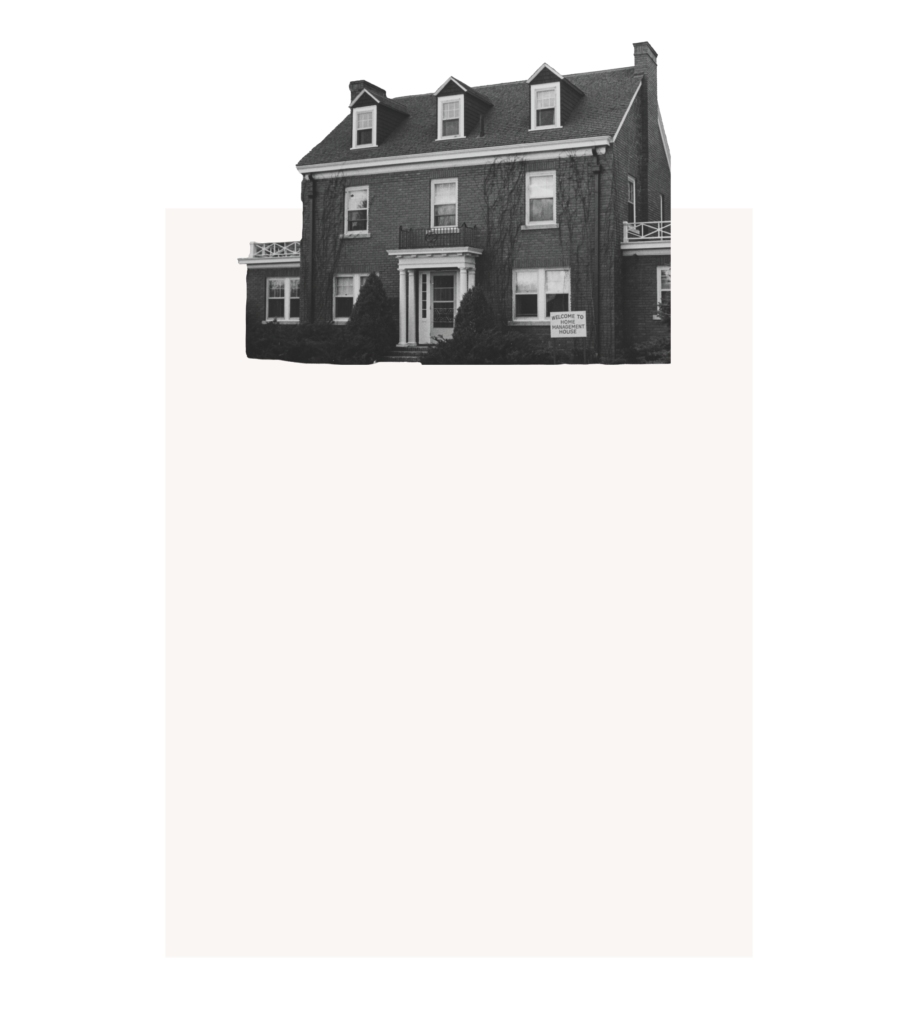
The home management house at NDAC was the first facility built on a college campus specifically for home management practice. In 1954, it was named in honor of Alba Bales, the first female academic dean at NDAC.