Curiosities: 100 Years of Little "I"

A century later, this legacy livestock show remains the largest student-sponsored event at NDSU.

Story by Wyatt Atchley ’23 | Photos by Anna Lemm-Wiegandt ’20 and NDSU Archives | April 2026

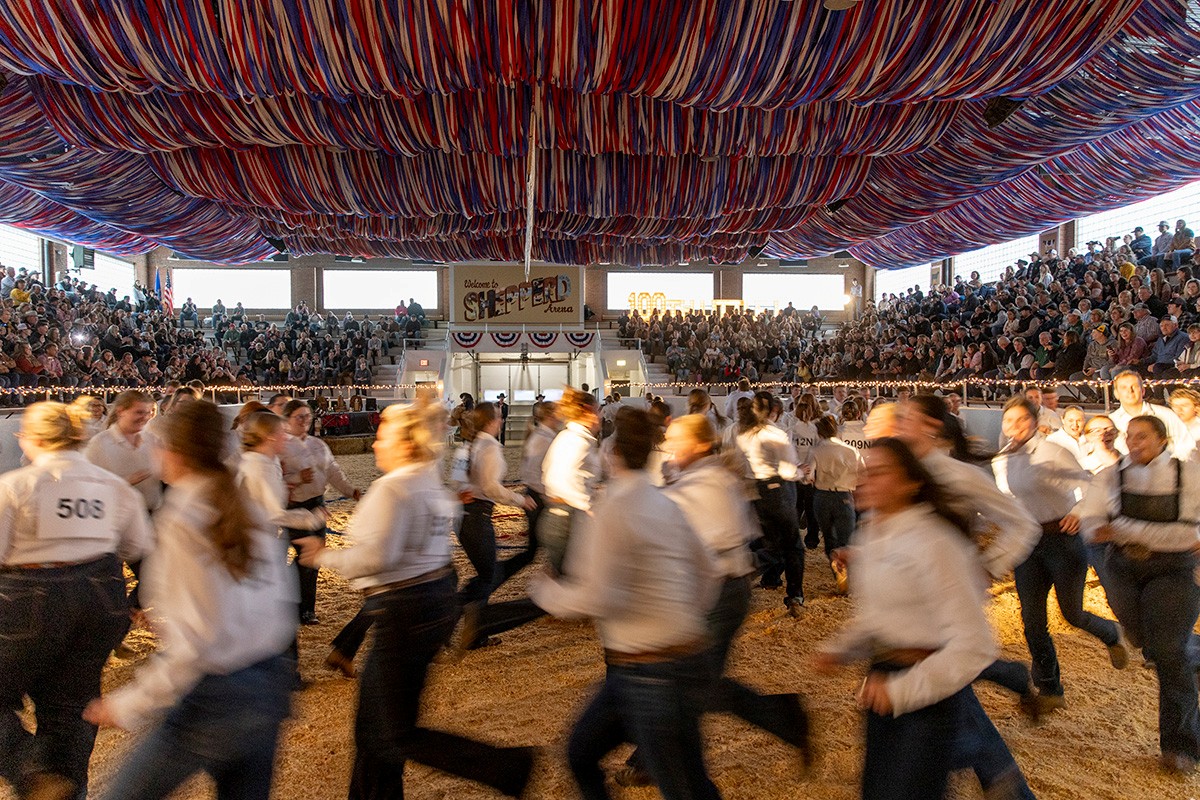
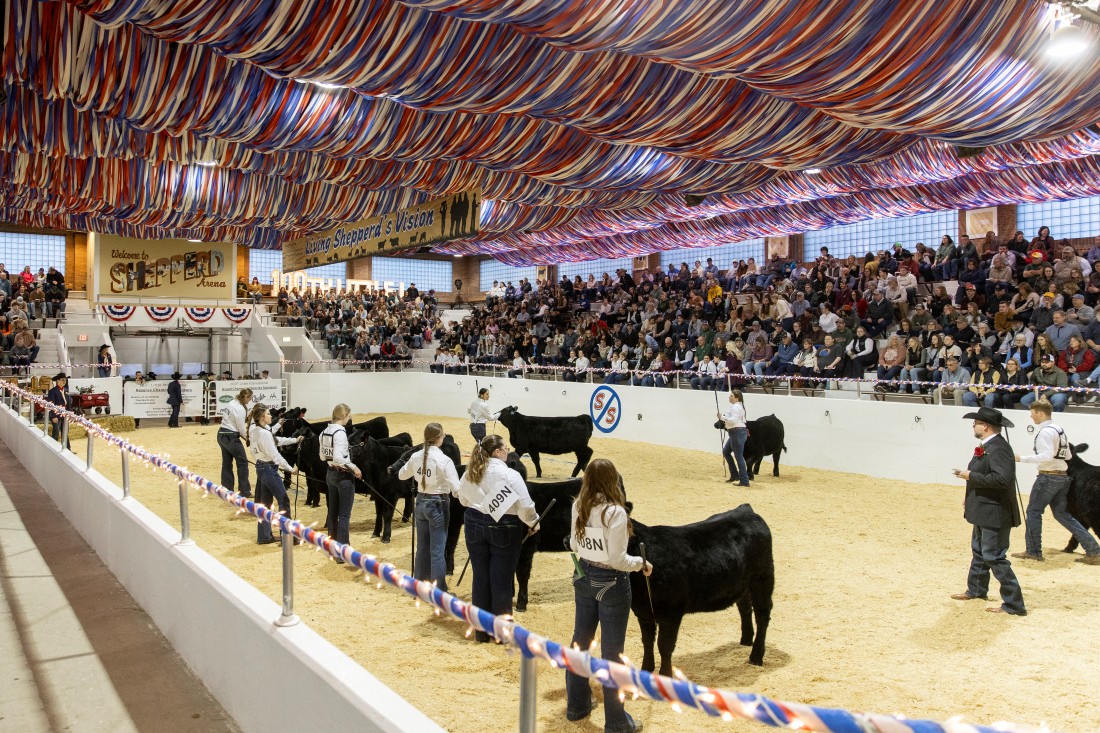
It was February 14, 2026, when the lights went down in Shepperd Arena. The 100th annual Little International had come to a close. The sheep, cattle, and pigs were on trucks, rumbling back home after a long day’s work. Woodchips lay scattered, forming the shape of a memory that told of the evening’s events. Some 60 miles of streamers that resembled billowing clouds would soon be pulled from the rafters by the same students who worked tirelessly to hang them. The arena was empty, but students and spectators alike left Little International with full hearts — just as they have for more than a century.

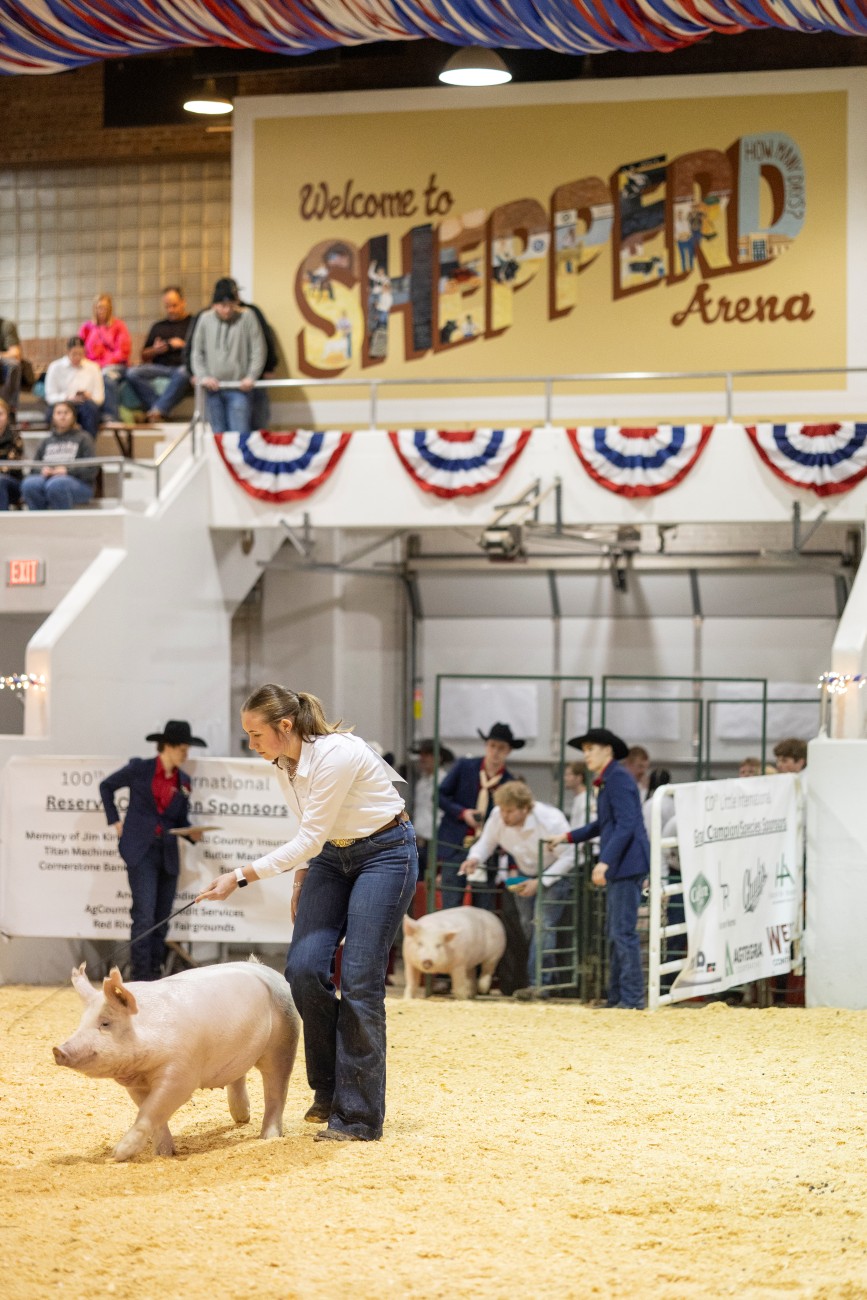
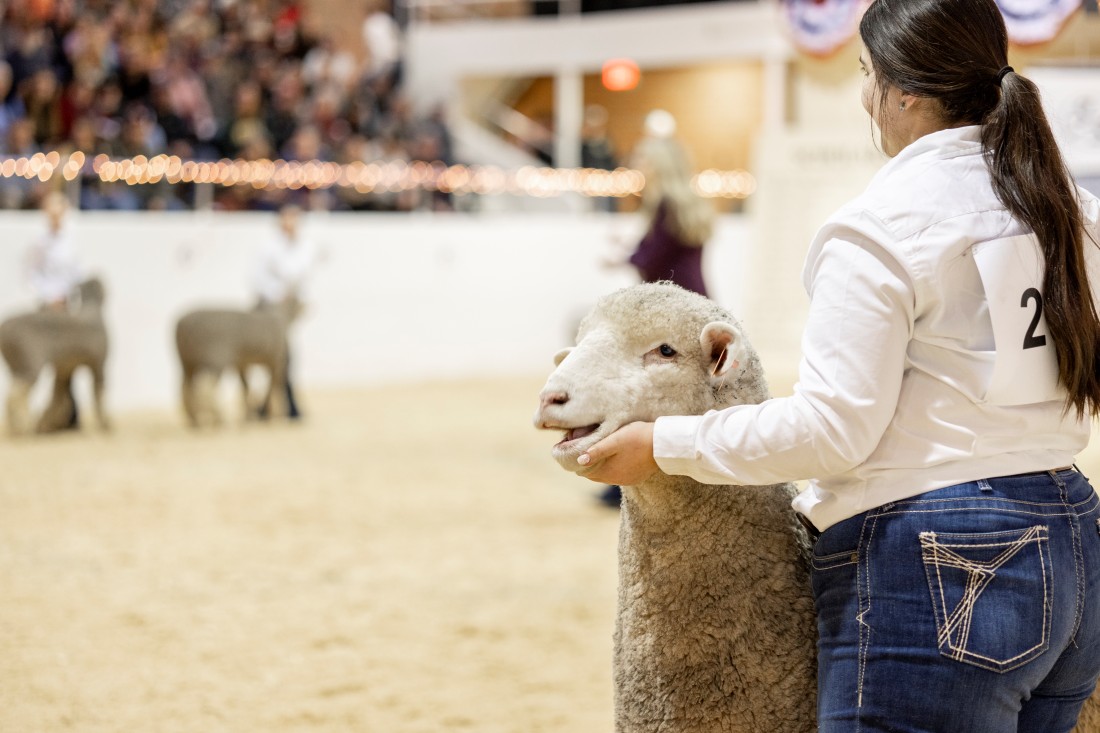
Students showing pigs at the 100th annual Little International.
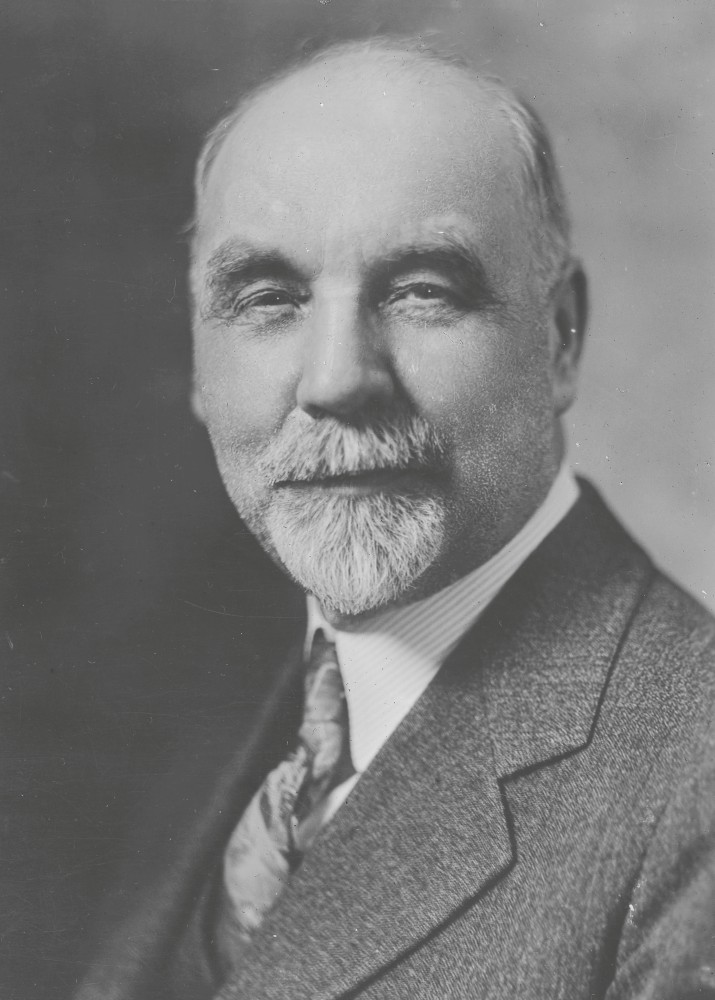
Portrait of John H. Shepperd during his tenure as NDAC president, ca. 1930s. 

Little International Origins

Little International, a showcase of talent, passion, and livestock, has been a student-sponsored tradition at NDSU for 100 years. It was the innovation of John H. Shepperd, a professor of agriculture who joined the small but mighty faculty at North Dakota Agricultural College (NDAC) in 1893.

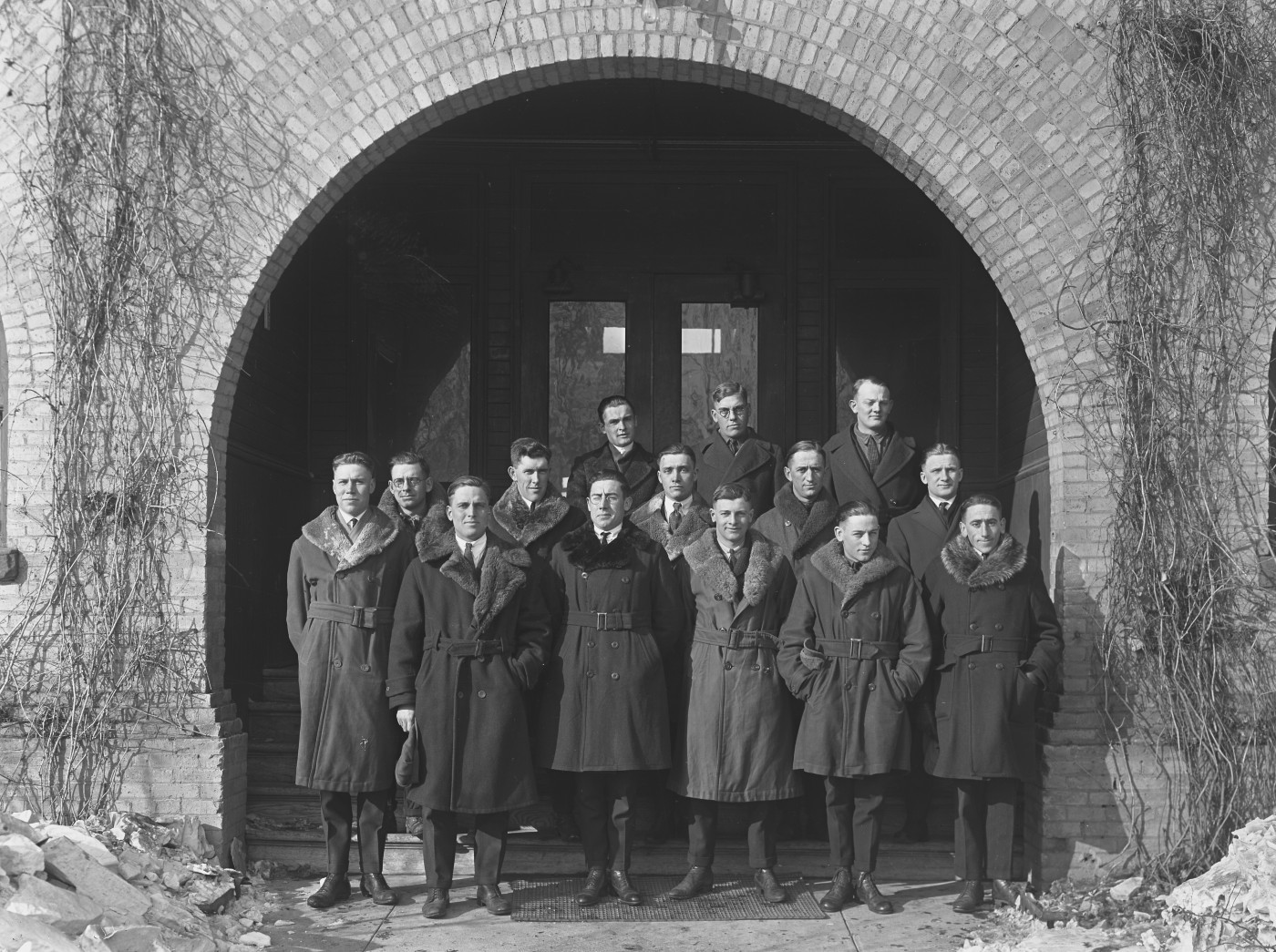
John helped found the Saddle and Sirloin Club (S&S) in 1918. He and the livestock team that represented NDAC at the International Judging contest in Chicago wanted to host an event of their own to build support and enthusiasm for animal husbandry at NDAC. Little International, affectionately called Little “I,” debuted in 1923 and has continued each year with only a brief pause during World War II, becoming one of NDSU’s longest-running student events.

1922 Saddle and Sirloin members in front of Francis Hall, the first dormitory for male students at NDAC.

“Little International remains a group effort by S&S to promote animal husbandry here on campus … to give people that hands-on experience they have maybe never had before,” Little International manager Taiton Axtman ’26, an agricultural economics and crop and weed science student, said.

Little International traditionally takes place over two days, beginning with a time-honored banquet to celebrate the Agriculturalist of the Year, a student-selected individual who demonstrates exceptional service, leadership, and dedication to agricultural communities and industries.

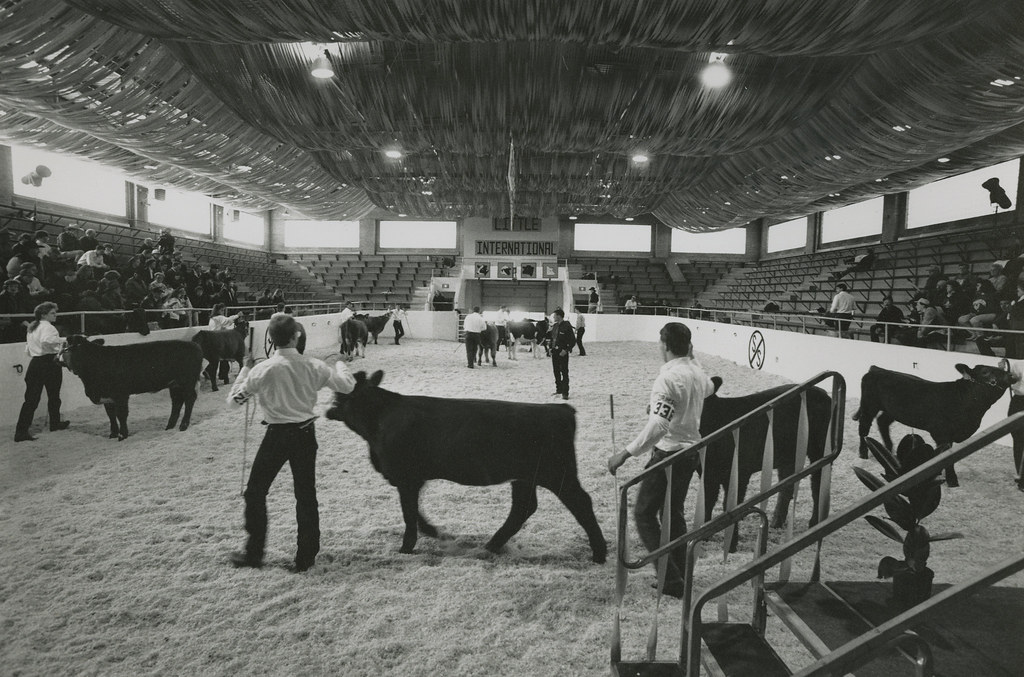
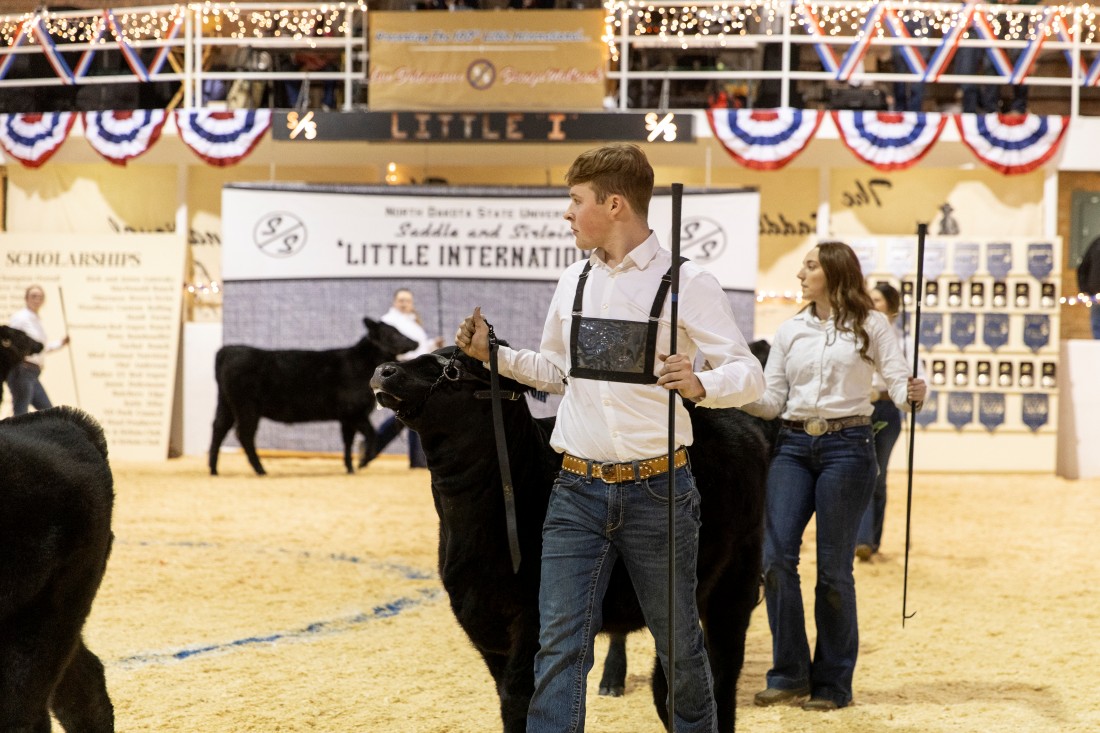
On day two, crowds fill the bleachers in historic Shepperd Arena to watch the livestock competitions. Students are assigned a random animal, sometimes one they have never shown before. Little International is not about who has the best animal, but rather who best captures the spirit of showmanship. Students develop handling and showing skills with support from their peers and cheers from the crowd.

Each year, students elect a manager, assistant manager, queen, and two princesses who act as ambassadors for the tireless efforts of so many students. Two MCs keep the crowd entertained, and the esteemed “pooper scoopers” keep the arena looking fresh.

Shepperd Arena has been the stage for Little International for more than 70 years. It’s a space for livestock competition, certainly. More importantly, though, it’s the space where generations of students have honed their animal husbandry skills through hands-on learning — a building where people come together to share and celebrate their passions.

Today, more than 300 students work together to put on what Little International assistant manager Koen Helmuth ’27, a natural resource management student, calls “the greatest show on Earth.”


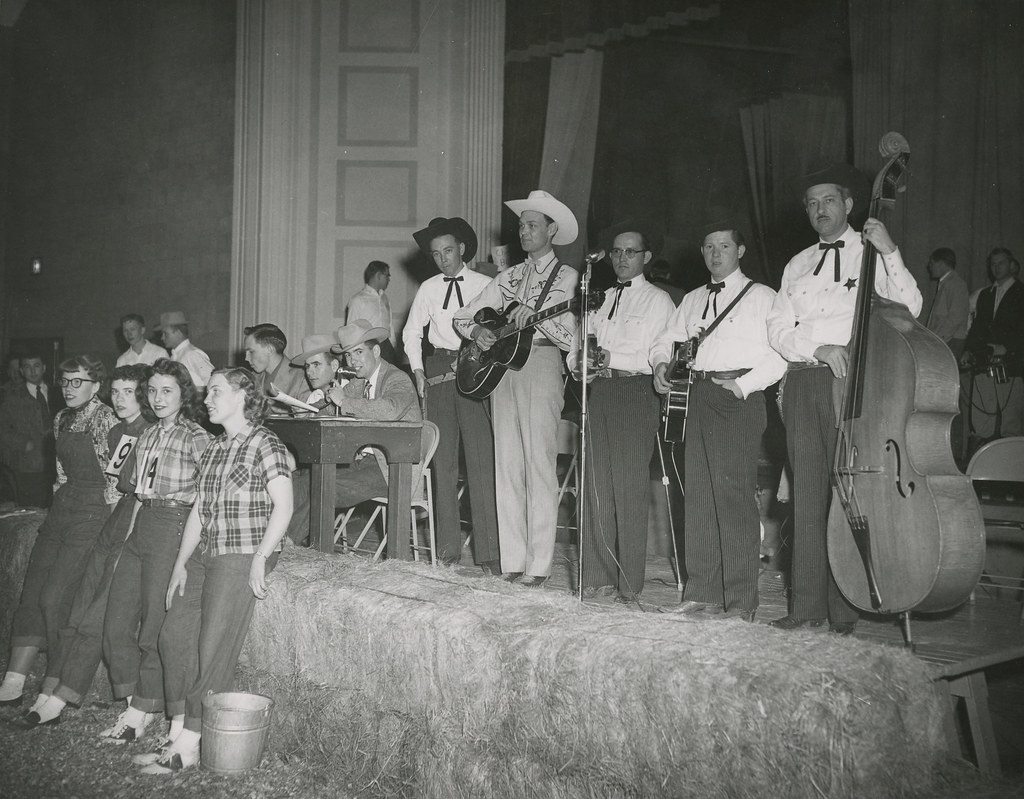
A band getting ready for their performance at Little International, 1952.

A Community 100 Years in the Making

For generations, Little International has united talented students from across colleges and disciplines, reaching people of all backgrounds. The students behind the 100th event are a testament to that fact.

Family Connections

For Koen, Little International is deeply personal. He recalled attending as a young child, enchanted by the streamers floating in the rafters, which looked to him like a stained-glass window.

“When I first came in here, I was 8, knee high to a grasshopper, and I was blown away.”

Students begin at 4 a.m., sometimes working up to 12 hours, to hang more than 60 miles of streamers in Shepperd Arena.

Generations of Koen’s family held leadership positions. “My father was the manager of 1992 and my mom was a princess that year … My cousin was a manager … in 2023 my brother was a manager, and now next year I’ll be the manager.”

Koen, however, feels more connected to Little International because of the people that surround him and make the event possible. “My last name is not what defines me in all of this … it’s our club, not my club or my family’s club.” The student community, Koen asserted, is the greatest part of Little International.

“None of it is faculty-led … it’s all student led,” Koen said. “I think that’s just a great thing that we can trust ourselves, trust each other, and put our differences aside even at this young age to build on something that’s lasted 100 years.”

A New Beginning

For Little International publicity chair and princess Montana Martinson ’27, S&S provided a sense of belonging. She had no legacy family ties to NDSU, but S&S was where she found community and purpose.

“As a freshman, I wouldn’t have really thought that I’d be in this position, but meeting people and making connections early on helps shape your friendships and your leadership goals,” Montana, an agricultural economics student with minors in strategic communications and business administration, said.

S&S students hanging streamers for the 100th anniversary event.

Taiton, who spent his childhood in 4H clubs, said that S&S felt like a natural fit. He attended meetings as a freshman and, with the support of fellow students, grew into a leadership position.

He showed a sheep his first year, became sheep superintendent the year after, and was this year’s Little International manager, an honor he took seriously. For Taiton and so many others, Little International is not just an event, it’s a celebration of the thousands of past, present, and future students invested in animal agriculture.

Living Shepperd’s Vision

Each year, NDSU students select a theme for Little International that captures the intention behind their thousands of hours of collective effort. This year, students determined that Living Shepperd’s Vision would be a perfect tribute to the long history of the event.

For Taiton, Living Shepperd’s Vision was more than a theme, it was a guiding principle in day-to-day operations.

“It’s not something that we take lightly,” Taiton said. “Shepperd is the reason we have an event like this. He brought this here to educate people and give them a hands-on experience.”

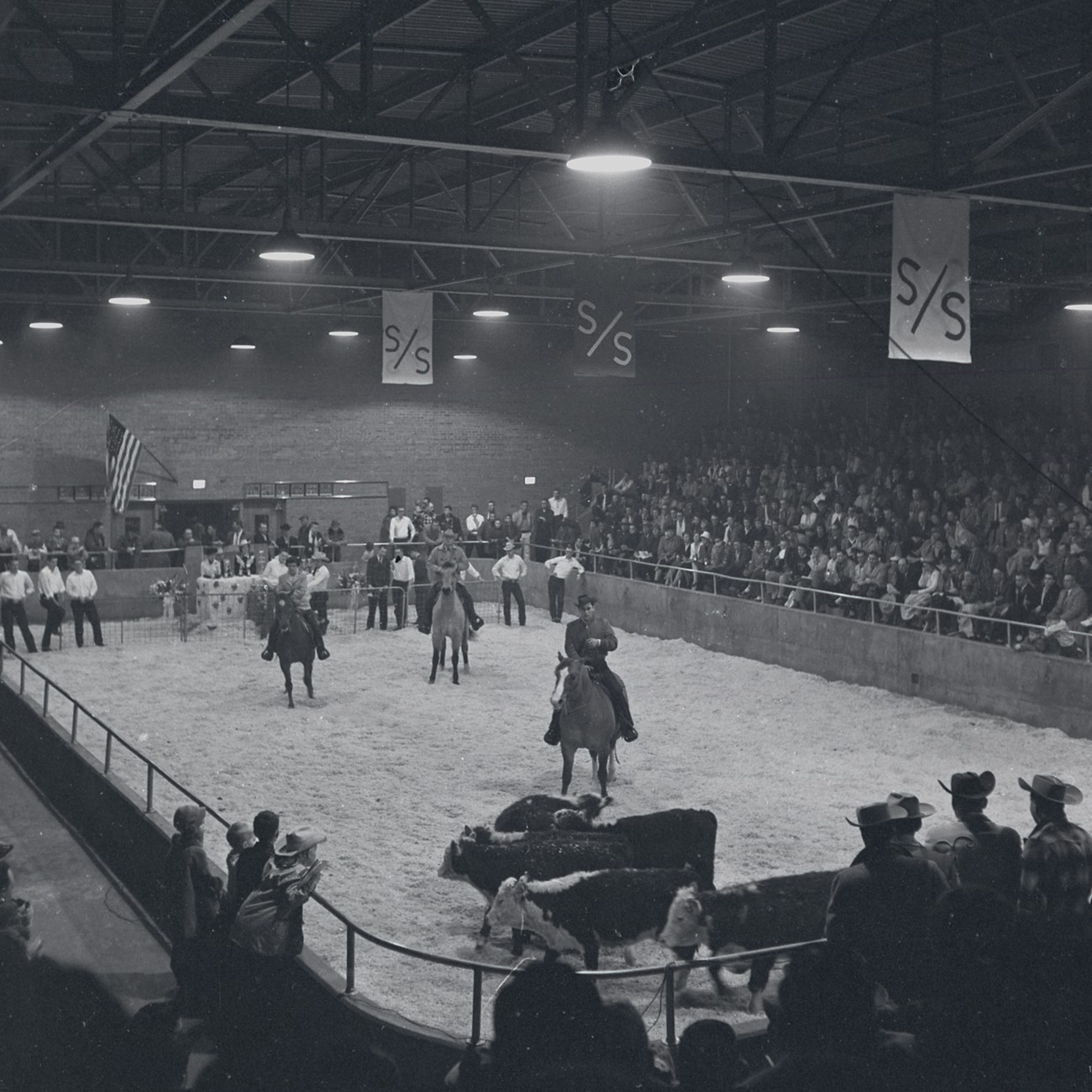
Cow penning demonstration, Little International, 1959.

When asked what Shepperd’s vision meant to him, Koen replied, “For young people in ag to advocate for themselves. To look in the face of adversity and continue on. He did so much for the industry and this college beyond animal agriculture.”

Portraits of the Agriculturalist of the Year award winners line the walls of the atrium in Shepperd Arena, a testament to this historic event that has connected generations of students, and the many who followed in Shepperd’s footsteps.

Taiton feels the weight of that history. “You see Shepperd’s portrait looking down on you. You think about all the great faces in the atrium, what did they do for our state, for animal husbandry, for animal agriculture.” Those faces challenge Taiton and others to think about how they serve their communities, now and into the future.

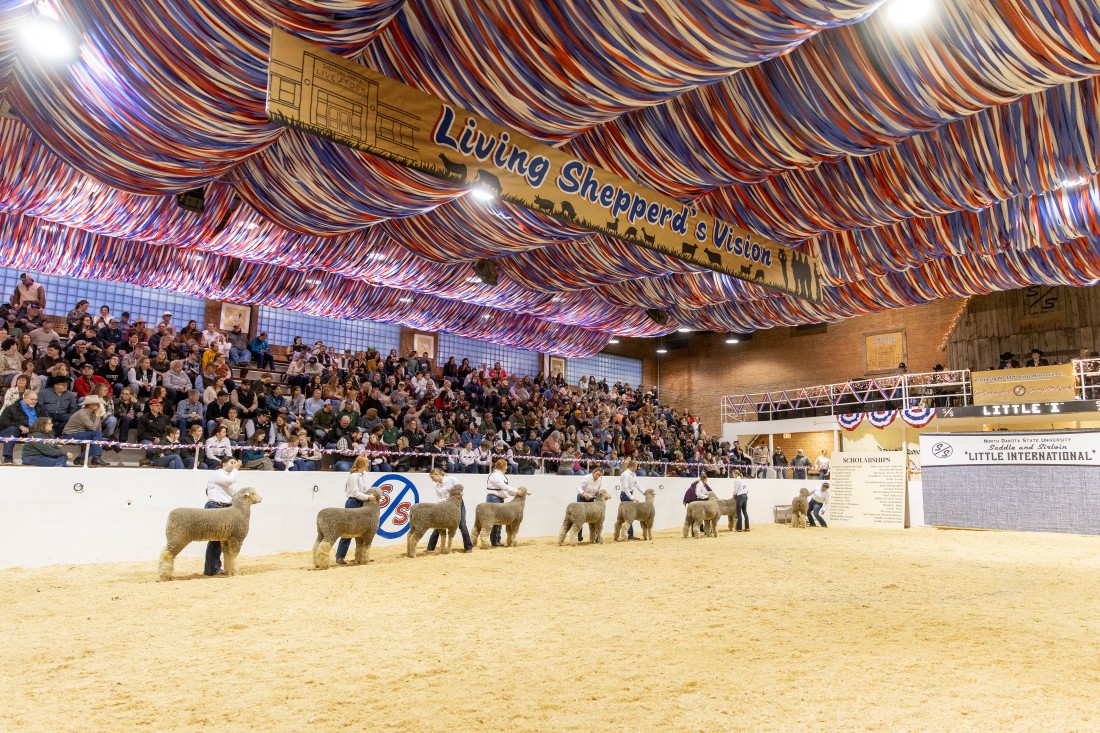
Photos from the 100th Annual Little International on Feb. 14, 2026, at Shepperd Arena.

After 100 years, Shepperd’s vision for animal agriculture remains alive at NDSU — not in one building alone, but in the hearts of students willing to shoulder the responsibility to carry the tradition forward.

As Koen shared, “There are still young people in college that care about agriculture and want to pass the torch to the next generation.”

Share This Story

Related Stories

Stronger Together

Marvin’s partnership with NDSU is a testament to the power of community, innovation, and the belief that anything is possible.

Read More

Margaret and her husband, Hugh Veit ’79, established the Eleanor S. Fitzgerald Memorial Graduate Student Scholarship to support NDSU students earning advanced degrees in the Department of Health, Nutrition, and Exercise Sciences or the Department of Human Development and Family Science.

Core areas of home economics remain part of current NDSU degree programs such as accounting; apparel, retail merchandising, and design; education; family and consumer science; financial planning; human development and family science; interior design; and nutrition science.

Home economics programs opened doors, particularly for women, to earn college degrees and pursue careers in education, Extension, state and federal government, business and industry, health care, and more. NDAC listed domestic economy as one of its courses in its founding year, 1890.

Established by Dr. Teresa Conner, dean of the NDSU College of Health and Human Sciences, and co-chaired by Dr. Margaret Fitzgerald ’83 and Col. Esther Meyers ’75, the Wisdom Keepers provide support and share their knowledge and expertise with students, faculty, staff, and leadership in the College.

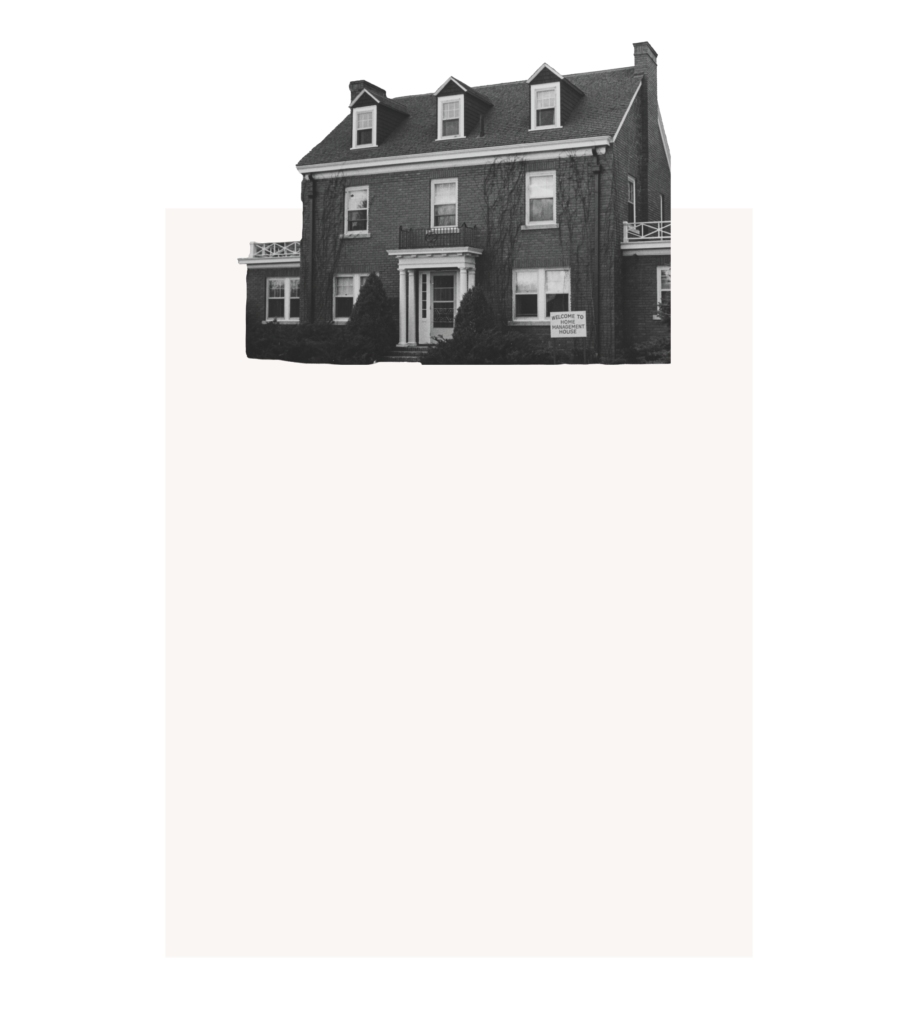
The home management house at NDAC was the first facility built on a college campus specifically for home management practice. In 1954, it was named in honor of Alba Bales, the first female academic dean at NDAC.