

Dr. Bill Wilson ’75 leverages his international network to create connections between students and the industry.
Read MoreMinot, ND
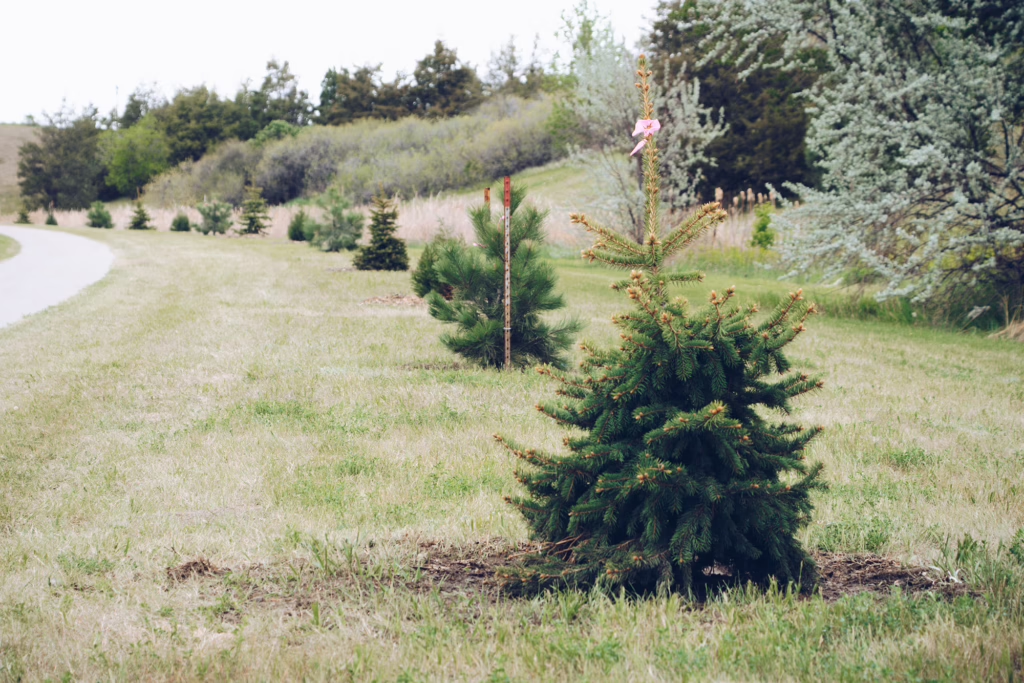
The ponderosa pine, blue spruce, and junipers — planted just two weeks ago along U.S. Route 83 — don’t mind the intense wind that whips through Minot, North Dakota. They are right where they belong.
These evergreens are among the many trees that have been planted in the past five years as part of an initiative fueled by NDSU Extension and Certified Master Gardener Volunteers: 2,000 Trees for Minot.
2,000
trees planted in Minot since 2023
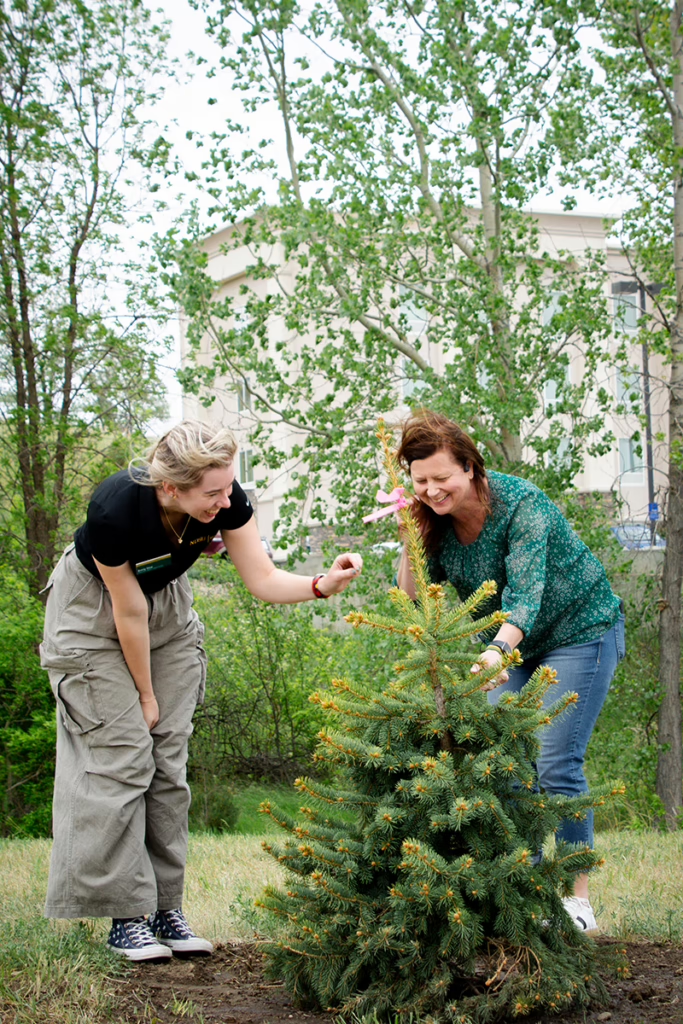
Ward County Extension agent Emily How and Certified Master Gardener Volunteer Donna Bye ’98 (left to right) inspect rows of evergreens.
Certified Master Gardener Volunteers Donna Bye ’98, a landscape architecture and environmental design alumna, and Tim Baumann set the seemingly lofty goal of planting 1,000 trees throughout Minot to foster feelings of safety, growth, and renewal after the 2011 Souris River flood damaged neighborhoods and claimed so much of the city’s tree canopy.
They recognized that today’s saplings, both evergreen and deciduous, would improve the city and region for generations to come: A tree’s root systems catch and slow down stormwater, protecting against flash flooding and water damage. Leafy, tall tree canopies in neighborhoods act as insulation, lowering heating and cooling costs and increasing home values. Not to mention their visual benefits of defining neighborhood edges, enhancing city aesthetics, and providing vibrant seasonal colors.
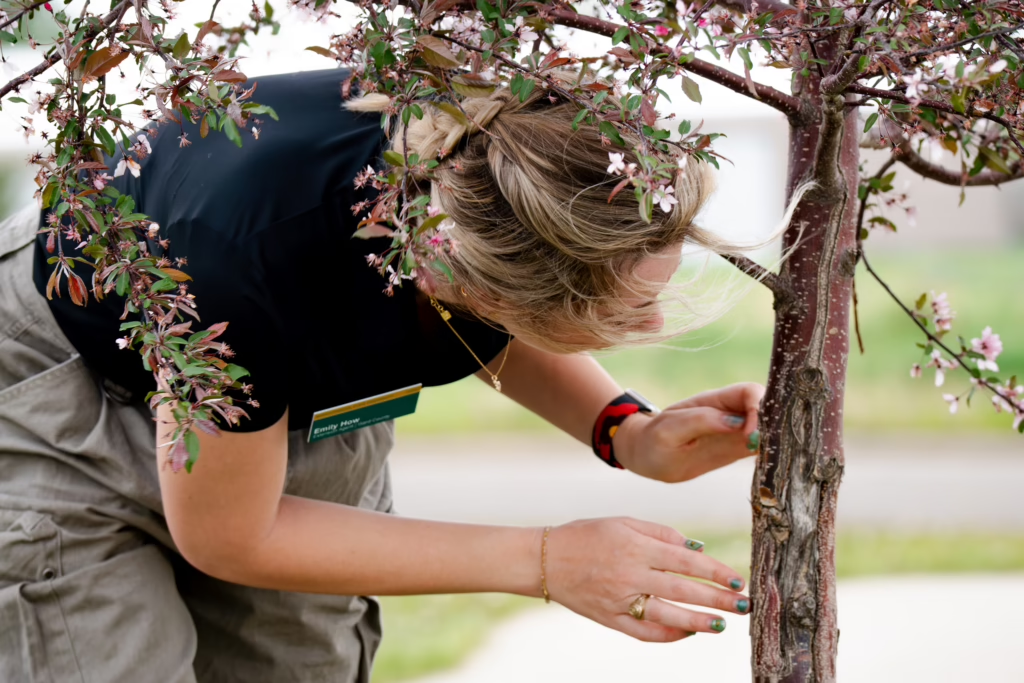
Ward County Extension agent Emily How inspects a flowering crab apple tree in a new housing development that will shade pedestrians, reduce wind exposure, improve soil health, and showcase beautiful pink blooms in the spring.
Minot’s Forestry Department and NDSU Extension quickly became their partners in action, recommending tree species suited to Minot’s limited plant palette, disease concerns, and environmental conditions, while helping the pair secure grants, attract donors and, of course, plant a lot of trees.
Together, they turned an ambitious idea into a community-wide effort, so quickly surpassing their goal for 1,000 trees that they set the bar higher and reached for 2,000.
2,000 Trees for Minot is just one of dozens of projects spearheaded by service-oriented Certified Master Gardener Volunteers across North Dakota who have received cutting-edge training from NDSU.
Hear NDSU Extension horticulturist and program coordinator Dr. Esther McGinnis discuss the impact Master Gardeners have on their communities — and why she has the best job in the world. (Video by Caleb Johnson ’15)
The NDSU Extension Master Gardener course provides education on plant materials suited for North Dakota, plus specific training in soils, fertilizers, plant diseases, insect pests, weeds, wildlife issues, composting, and much more.
After acceptance into the program and a $250 fee, aspiring gardeners may complete the 10-week course on campus or online. Master Gardener interns are then required to complete 48 hours of community volunteering in cooperation with their county Extension office within two years before earning the title of Certified Master Gardener Volunteer.
NDSU Extension horticulturist and program coordinator Dr. Esther McGinnis looks for applicants who have a “fire” in them to make their community a better place.
“We as a university train these volunteers,” Esther said. “We give them the tools they need to be a blessing in their communities and to pay it forward.”
246
NDSU Extension Master Gardener volunteers and interns in 2025
13,784
volunteer hours reported in 40 counties statewide in 2025
Volunteers and interns are busy at work in a variety of projects and initiatives in North Dakota, identifying superior vegetable varieties through NDSU trials, hanging traps for invasive insects, monitoring rainfall amounts, mentoring 4-H students, hosting horticultural workshops, tours, and events, as well as caring for gardens and landscapes in counties across the state.